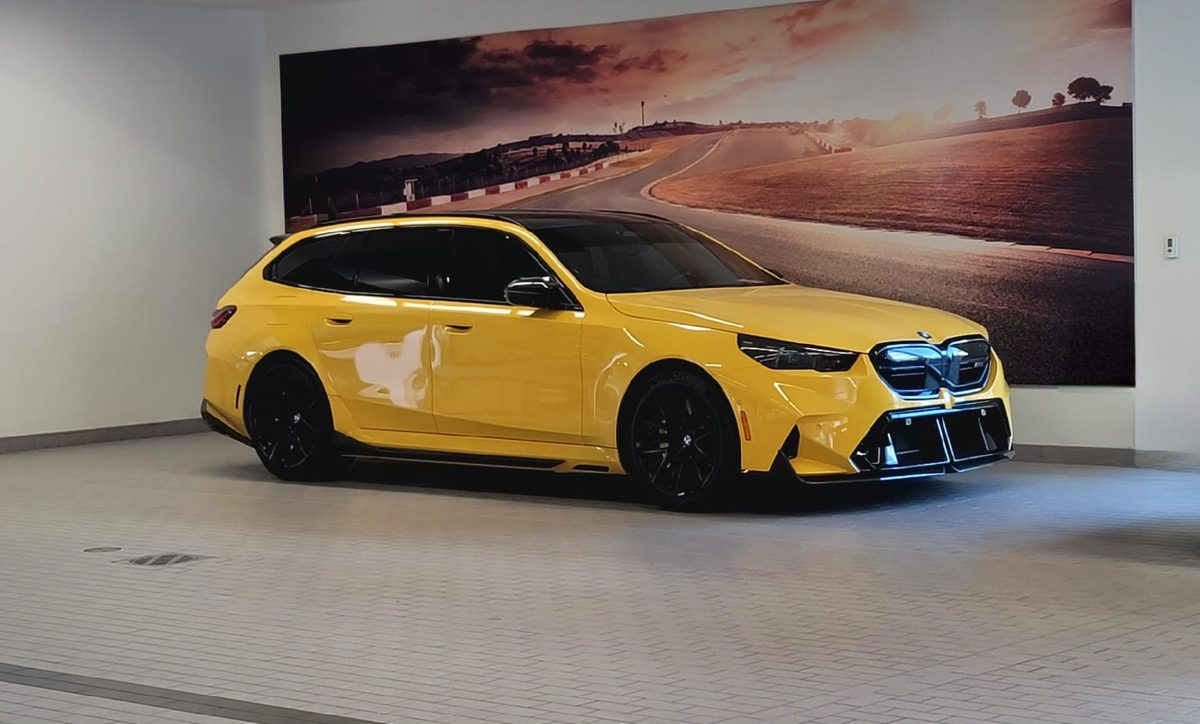
BMW is the most reliable of the three German luxury brands — by both major US reliability surveys. J.D. Power's 2025 Initial Quality Study and Consumer Reports' 2026 Brand Report Card both put BMW at the top. But the way Audi and Mercedes swap places between the two surveys reveals more about each brand than the rankings themselves do.
The Quick Answer
BMW leads both surveys. Mercedes finishes second on J.D. Power and last on Consumer Reports. Audi finishes last on J.D. Power and second on Consumer Reports. The two surveys measure different things — and that distinction matters enormously depending on how long you plan to keep your car.
J.D. Power: What Goes Wrong in the First 90 Days
J.D. Power measures owner-reported problems in the first 90 days of ownership, expressed as problems per 100 vehicles. Lower is better. The industry average in 2025 was 192. Here's where the three German brands landed:
- BMW: 196 problems per 100 vehicles — just above average, best among German luxury brands
- Mercedes-Benz: Mid-tier — performed well on new models like the CLE and E-Class
- Audi: 269 problems per 100 vehicles — dead last among rank-eligible brands. The Q4 e-tron dragged the brand average down with climate, electrical, and charging issues.
For context: Lexus led the entire study at just 166 problems per 100 cars. Premium brands averaged 203.
Consumer Reports: Long-Term Reliability Over Multiple Years
Consumer Reports combines reliability data collected over multiple years of ownership with road test scores, owner satisfaction, and safety. This is where Mercedes reveals a significant weakness:
- BMW 3/4 Series: 80/100 — far ahead of the segment
- BMW X3: 58/100 — solid mid-tier performer
- BMW X5: 62/100 — Consumer Reports Top Pick, rare for a German luxury SUV
- BMW EVs: 52/100 average — carries the reliability advantage into electrification
- Audi A4/A5: 54/100 — respectable despite brand average struggles
- Audi Q5: 41/100 — dragged by electrical and cooling concerns
- Audi Q7: 38/100 — recurring air suspension issues
The Mercedes Warning: Great New, Problematic After Year Three
This is the most important insight for buyers deciding between BMW and Mercedes. The Mercedes CLE ranked first in its segment in J.D. Power's first-90-day study. The same CLE appeared near the bottom of Consumer Reports' multi-year reliability data. That's not a contradiction — it's the data telling you something important: if you lease a Mercedes for 36 months and return it, you're likely to have a great experience. If you finance and keep it for 5-7 years, you're looking at the lowest-ranked European brand in Consumer Reports.
For DMV buyers who lease every 3 years, Mercedes is a legitimate choice. For buyers who finance and keep their cars long-term, the data strongly favors BMW.
One More Thing: BMW Recall Completion
BMW carries the lowest weighted-average recall completion rate (49%) of any major manufacturer in NHTSA's analysis. This doesn't mean BMW makes worse cars — the reliability data already shows it doesn't. It means when BMW issues a safety recall, owners are slower to act on it. If you're buying a used or CPO BMW, always check the VIN against NHTSA's recall database before purchasing.
What This Means for DMV Buyers
The data consistently favors BMW for both short-term quality and long-term ownership. Audi's brand average is dragged down by tech-heavy newer models — but specific Audis like the Q3 remain highly rated. Mercedes excels on first impression but carries more long-term risk. If you're financing a luxury vehicle and planning to keep it, BMW's reliability data makes it the lowest-risk choice in the segment.
Ready to run the numbers on a BMW? Calculate your exact payment with DMV-accurate taxes and fees.
Source: J.D. Power 2025 IQS / Consumer Reports 2026 / Autoblog. For informational purposes only.