A federal trade court has blocked the Trump administration's new 10% global tariffs, ruling them unlawful under Section 122 of the Trade Act of 1974. The ruling provides relief to some importers — and U.S. automakers like Ford, GM, and Stellantis are reportedly in line for approximately $2.3 billion in tariff refunds. But for buyers of European luxury vehicles in the DMV area, the bigger concern remains very much alive.
What Was Blocked — and What Wasn't
The new 10% global tariffs, introduced in February 2026 under Section 122 after the Supreme Court struck down an earlier tariff approach, were found to exceed the administration's authority. Section 122 is intended for temporary emergency measures tied to a "balance-of-payments deficit" — not general trade deficits — and limits duties to 15% for a maximum of 150 days unless extended by Congress.
Critically, this ruling does not apply to imported cars and auto parts, which are already subject to separate Section 232 duties. Those automotive-specific tariffs remain in place. The court's block currently applies only to the specific companies that sued and the state of Washington, meaning broader relief is not yet guaranteed.
Where the European Rate Actually Landed
The 25% jump this article originally flagged as a live threat hasn't materialized — instead, the US and EU reached a negotiated framework setting most EU auto imports at a 15% total tariff, down from the 25% Section 232 baseline that applies more broadly. That rate is conditioned on the EU following through on its side of the agreement, so it's a settled-for-now number rather than a permanent one. Section 232 duties on autos and auto parts remain in effect regardless of the trade-court rulings above — those target emergency tariffs, not the automotive-specific ones.
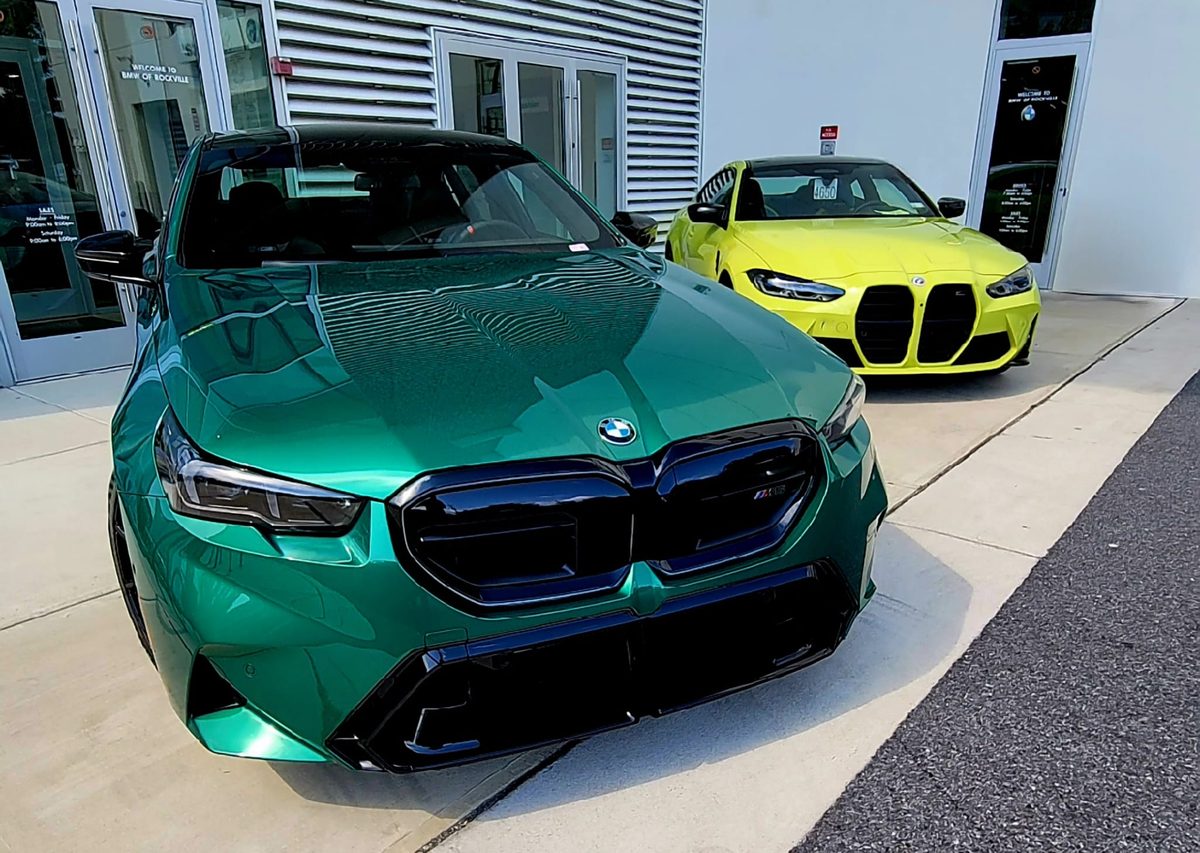
For DMV luxury buyers, that means Audi (built almost entirely in Europe) and European-built BMWs — the 3 Series, 4 Series, 5 Series, and 7 Series — are currently facing the 15% rate rather than a higher one. BMW's Spartanburg, SC-built models (X3, X4, X5, X6, X7, XM) sit outside this exposure entirely, since they're built domestically.
What This Means for DMV Buyers Right Now
The negotiated 15% rate gives more pricing stability than the situation looked like earlier this year, but it's still conditional on the EU holding up its end — worth watching, not worth panicking over. Practical takeaways: vehicles already in dealer inventory are priced at current tariff levels and represent known quantities. Spartanburg-built BMW SUVs (X3, X5, etc.) carry the least tariff exposure of any luxury option in this market. If you're considering a European-built model, current pricing reflects the 15% rate — there's no confirmed near-term change, but trade policy can move quickly.
Want to calculate your payment on a current BMW before pricing changes? Run your numbers now.
Source: Congressional Research Service, Automotive News, August 2026. For informational purposes only. Tariff situation evolving — consult your dealer for current pricing.